
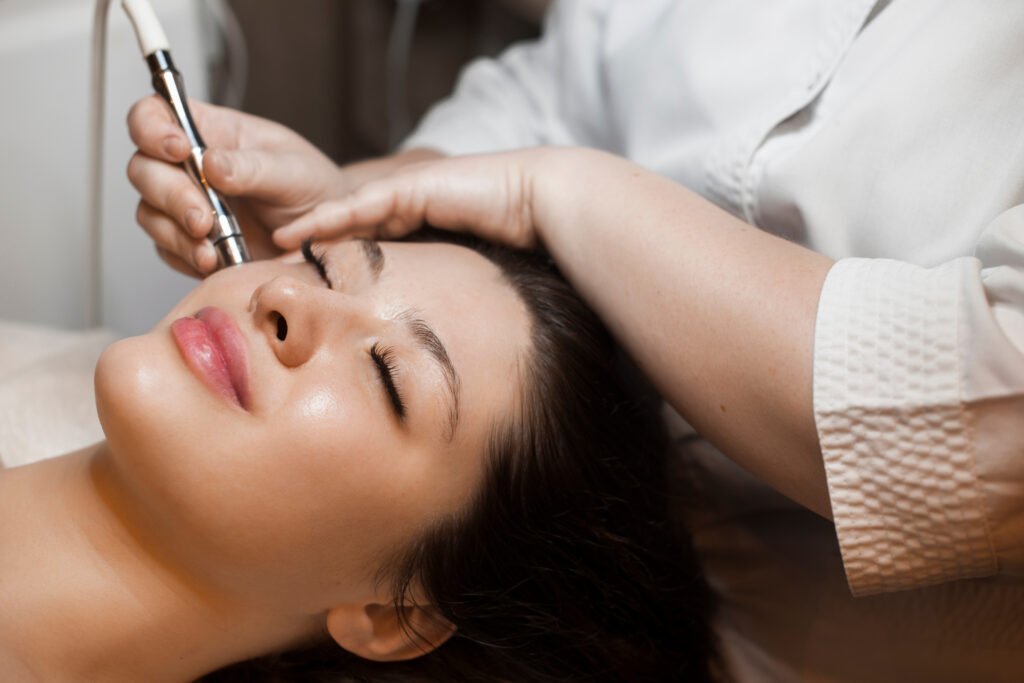
Understanding how many microneedling sessions needed is the first step in creating an effective skin-rejuvenation plan for Tampa residents. The local sun exposure, high UV index, coastal humidity, and outdoor lifestyle in Hillsborough County change treatment choices and timelines. This guide explains practical session counts, a microneedling timeline for visible improvement, cost ranges in Tampa, and planning tips from clinical experience.
How Many Microneedling Sessions Needed: Overview
Most patients in Tampa see meaningful improvement after three to six microneedling sessions spaced four to six weeks apart. Providers adjust frequency for deeper scars, heavy sun damage, or thinner skin. Collagen production begins within days and increases over months, so clinics plan treatments to maximize tissue remodeling. Tampa patients who spend time outdoors need more conservative progression to protect healing skin from UV exposure.
How Many Microneedling Sessions Needed For Specific Concerns
Fine lines and mild texture irregularities often respond after three sessions. Deeper acne scarring, surgical scars, or laxity may require five to eight sessions with adjunctive radiofrequency. Pigmentation from sun damage sometimes needs combined approaches including targeted topical agents. Clinical observation in our Tampa practice shows that patients with chronic sun exposure require extra sessions and pigment-targeted planning compared with national averages.
Microneedling Treatment Planning In Tampa
Treatment planning begins with a local skin assessment. Technicians evaluate sun damage, humidity-related oiliness, and salt-air effects that can alter healing. Tampa skin tends to show earlier photoaging compared with many inland areas because of higher UV exposure and outdoor recreation along Tampa Bay. Providers in Hillsborough County commonly recommend starting with conservative energy and gradually increasing treatment depth. Clinicians factor in collagen production timelines and schedule follow-ups at six weeks and three months for objective assessment.
Local Environmental Factors And Skin Aging
Sun exposure in Tampa accelerates collagen breakdown and pigmentation. High summertime UV index and year-round outdoor activity contribute to earlier skin aging. Florida humidity and salt air change surface hydration and can increase pore visibility. Coastal lifestyle activities in Tampa Bay amplify cumulative UV dose compared with national averages. Providers note more mixed hyperpigmentation and texture complaints here than in many northern clinics.
Quick Checklist
- Avoid direct sun two weeks before and after each session.
- Plan three to six sessions for most texture issues.
- Expect visible improvement at six to twelve weeks after start.
- Combine treatments for deep scars or stubborn pigmentation.
- Treatment pricing depends on your individual plan. For LIVIA Med Spa, call for pricing at (813) 230-2219.
Ready to plan your course of care with a local specialist who understands Tampa skin? Schedule a professional consultation to map out a microneedling session plan and timeline tailored to your sun exposure, lifestyle, and goals. Learn more about device options and advanced RF microneedling at our clinic by visiting our detailed treatment page for a personalized plan: microneedling session plan. Call to reserve an evaluation and start a safe, effective regimen.
Frequently Asked Questions
How Many Sessions Will I Need For Fine Lines And Texture?
Most patients need three to four sessions spaced four to six weeks apart for fine lines and mild texture concerns. Results build as collagen remodels over three months. Providers assess progress and may add sessions if improvements plateau.
How Soon Will I See Results On Pigmentation?
Pigmentation often improves more slowly than texture. Expect initial change after two to three sessions with clearer improvement by three months. Combination therapy with topical agents or light-based treatments speeds pigment fading.
Can Microneedling Be Combined With Other Treatments?
Yes. Combining microneedling with radiofrequency, PRP, or topical cosmeceuticals enhances results. Many Tampa patients benefit from combined protocols to address both texture and pigment. Providers tailor combos to skin type and sun-related damage.
How Does Tampa Climate Affect Recovery?
Tampa heat and humidity can increase transient redness and require stricter sun avoidance during recovery. Salt air may dry the superficial barrier in some patients and increase tightness. Clinics recommend gentle hydration and strict SPF use because UV exposure slows healing.
What Is The Typical Cost In Tampa?
Treatment pricing depends on your individual plan. For LIVIA Med Spa, call for pricing at (813) 230-2219.
For evidence-based guidance on skin procedures and safety measures, review resources from the American Academy of Dermatology at https://www.aad.org/public.